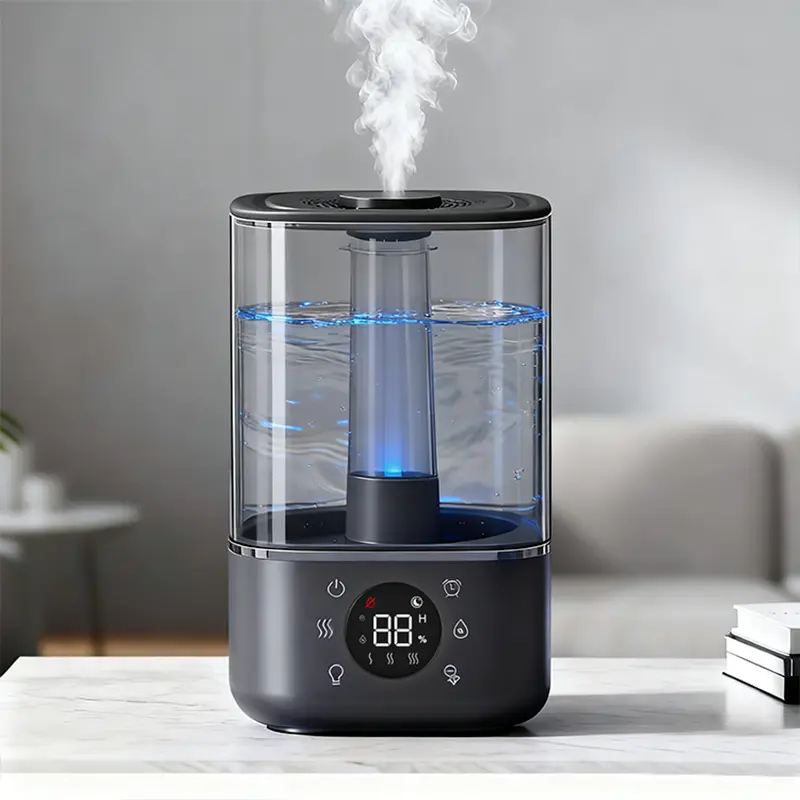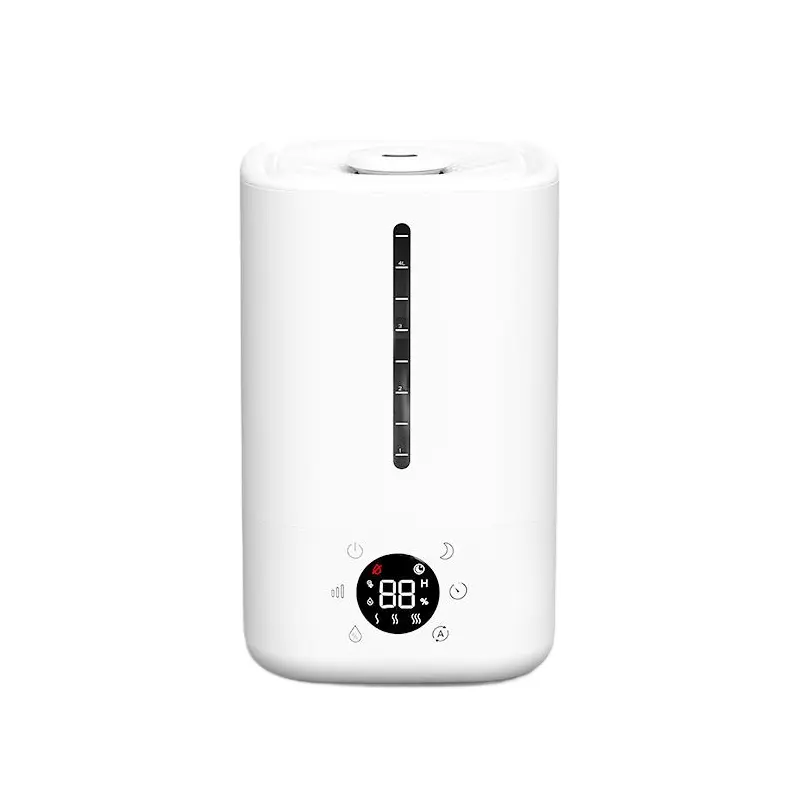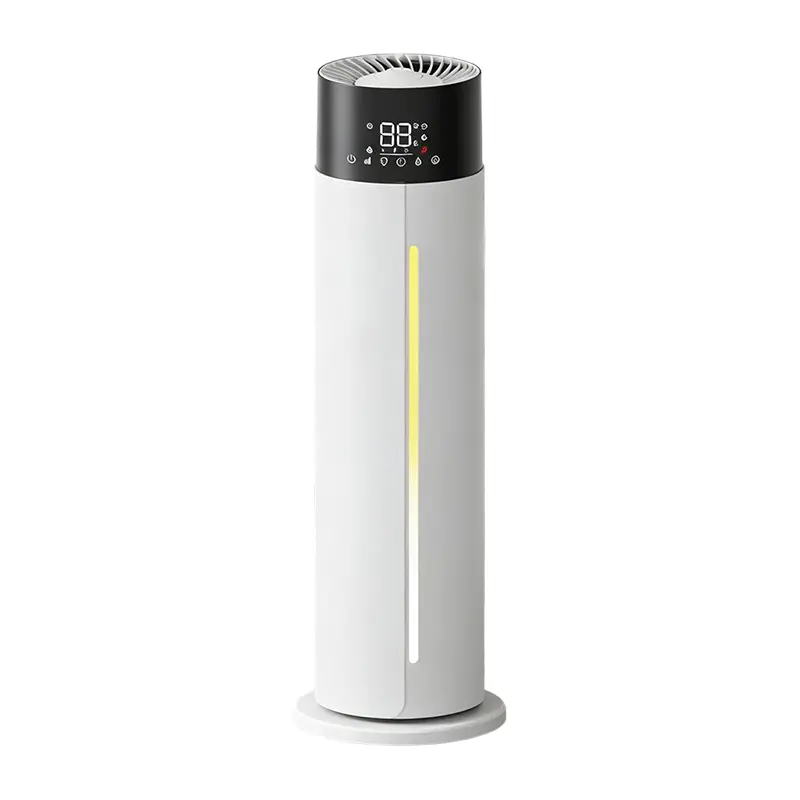
I switched to Ultrasonic Humidifiers after one winter of static shocks and sore throat. What surprised me most wasn’t just the comfort bump but how little effort it took. As I refined my setup, I started paying attention to build quality and real-world performance, which naturally led me to explore Landsign options. Instead of reciting specs, I’ll share how I evaluate Ultrasonic Humidifiers in daily use and why they solve problems that heated or evaporative units sometimes complicate. Throughout this guide, I’ll keep linking decisions back to the way Ultrasonic Humidifiers behave in the wild—quietly, efficiently, and with fewer compromises.
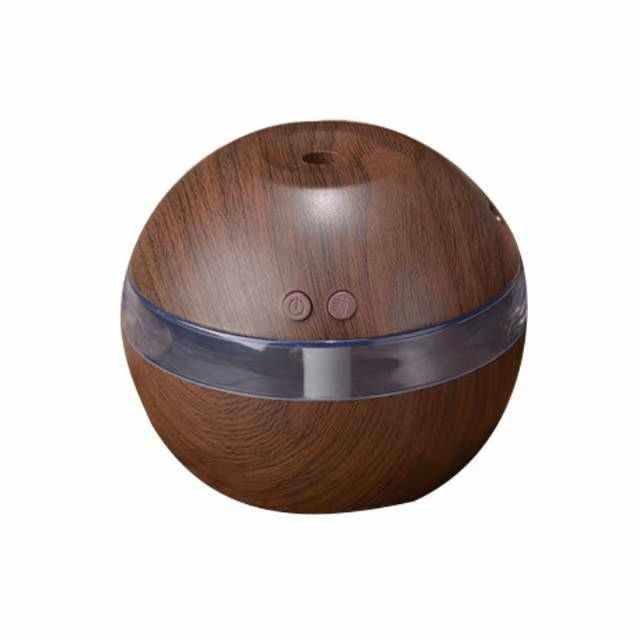
A single, well-sized unit can stabilize relative humidity into the 40–55% comfort band. That’s where Ultrasonic Humidifiers shine—fast response, fine mist, and whisper-quiet operation that doesn’t hijack the room.
They use a high-frequency vibrating diaphragm to turn water into a fine, cool mist. Because there’s no heating element, power draw stays low and startup is instant. In practice, that means I can run the device longer with less energy and without adding heat to already warm rooms. This is one reason Ultrasonic Humidifiers remain the go-to for bedrooms and studios where noise and heat matter.
| Feature | Why it matters | My rule of thumb | Landsign approach in practice |
|---|---|---|---|
| Mist output | Determines how quickly a space reaches comfort range | ~250–300 mL/h for bedrooms; 400–500+ mL/h for open living areas | Balanced nozzles and stable output keep humidity steady without wet spots |
| Tank capacity | Refill frequency and uninterrupted overnight use | ≥3L for 8–12 hours on medium | Clear tanks and wide inlets make refills fast and spill-free |
| Noise level | Comfort during sleep, calls, or recording | Choose near-silent units for bedrooms <35 dB | Vibration damping and smooth airflow keep operation discreet |
| Controls | Consistency and safety against over-humidifying | Auto mode with target RH and timer | Responsive humidistats prevent foggy windows and damp corners |
| Mineral management | Minimizes white dust and keeps air fresh | Use distilled water where tap TDS is high | Optional cartridges plus easy-clean paths simplify upkeep |
By keeping surfaces clean and water quality consistent, Ultrasonic Humidifiers remain fresh and efficient. The routine is simple enough that I actually stick to it.
When in doubt, I choose a unit with slightly higher output and rely on auto mode. This is where Ultrasonic Humidifiers respond quickly and then throttle back to hold a steady line.
Night-time use, home offices, nurseries, and plant corners benefit from fast, cool mist and low noise. In my case, a single device stabilized a bedroom within minutes after I closed the window and set a 50% target. That speed and stability is why I keep recommending Ultrasonic Humidifiers to friends who value comfort without high operating costs.
I use the same list when comparing Ultrasonic Humidifiers from different makers, and it consistently points me toward designs that are simple to live with.
What I found most useful in Landsign designs is the way the basics are handled: stable mist output that matches real rooms, tanks that refill without splashing, and controls that aim for a target rather than just cycling on and off. For anyone prioritizing comfort and low noise, Ultrasonic Humidifiers built with these details feel effortless day to day.
If you’re weighing options, this is a good moment to shortlist models that balance output, quiet operation, and easy care. I’m happy to share sizing tips for your rooms and help you compare features that matter. If you want tailored guidance on Ultrasonic Humidifiers or want to explore Landsign solutions that fit your space and budget, contact us and tell me about your room sizes, typical RH, and daily routine—I’ll respond with a practical, cost-aware recommendation.

139th Canton Fair (Phase 1)
Time: April 15 – 19, 2026
Booth No:5.2M15
Welcome to visit our booth!